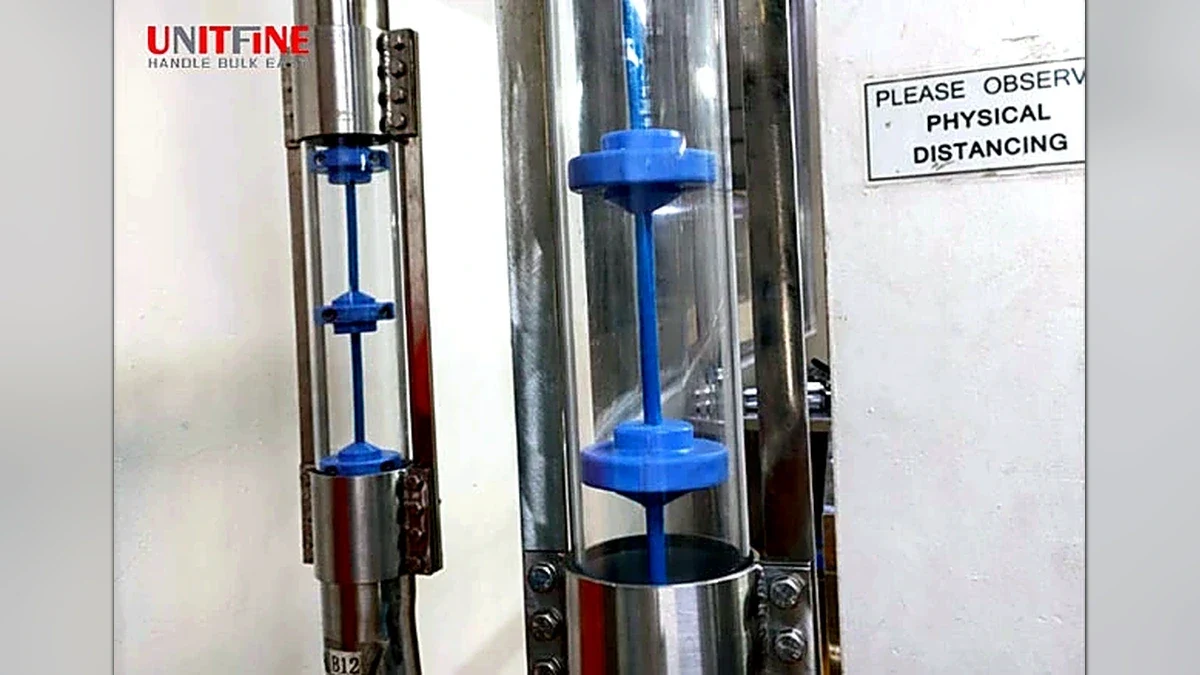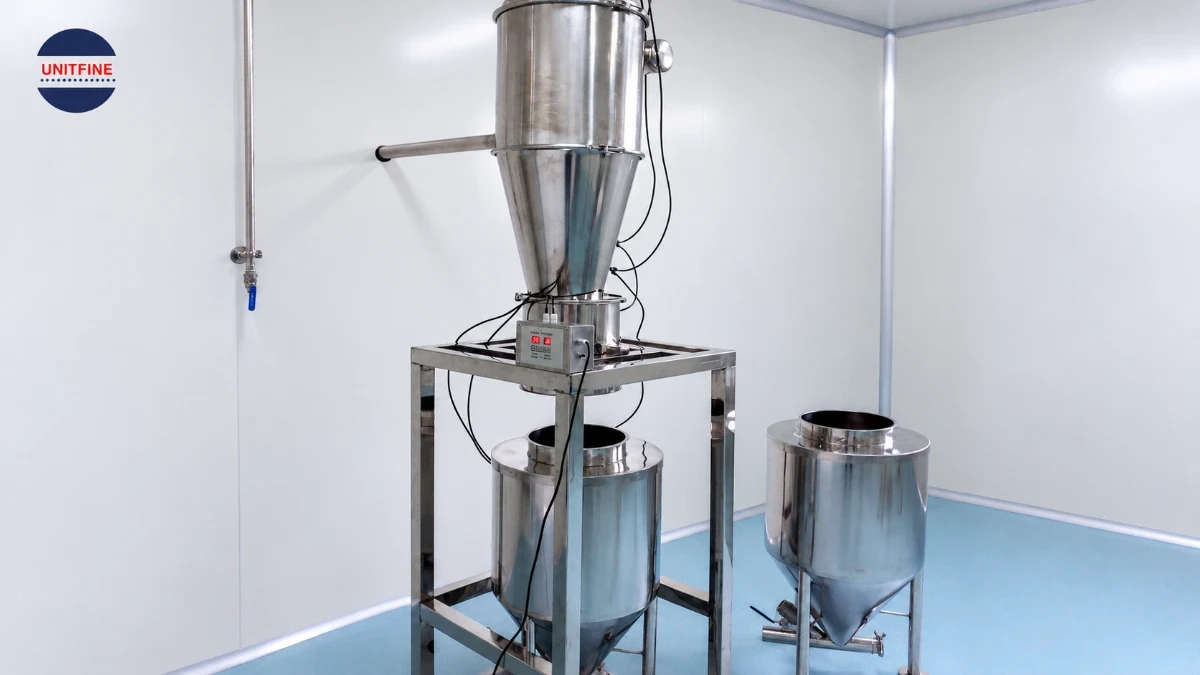
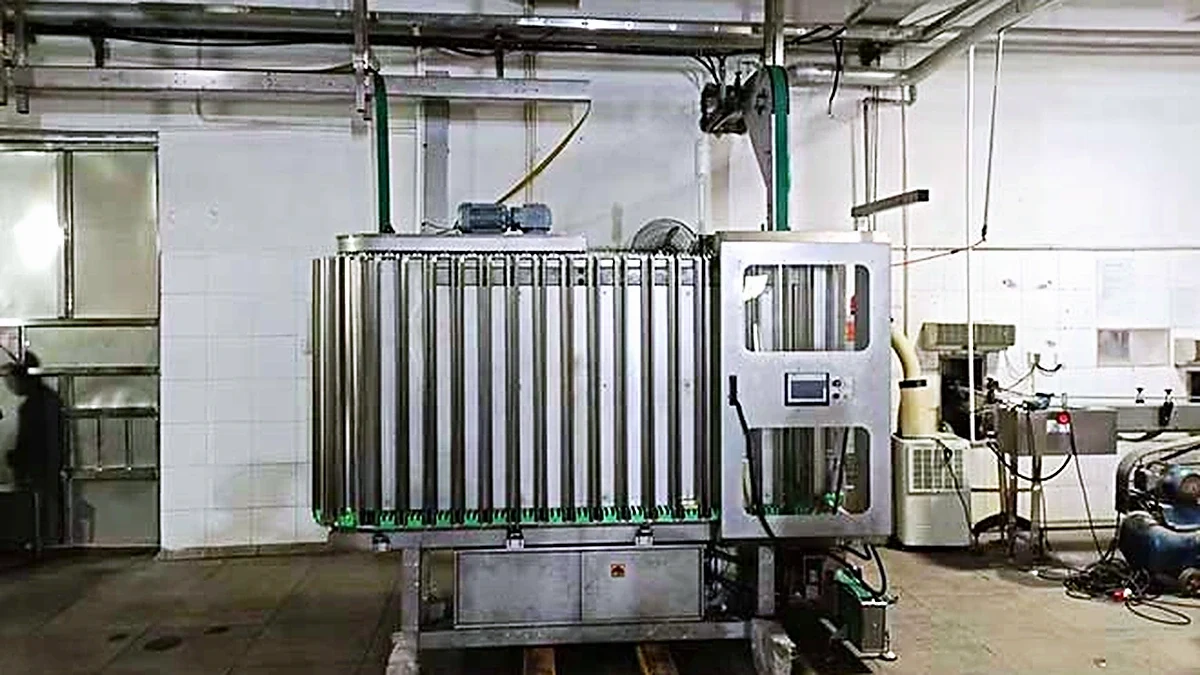
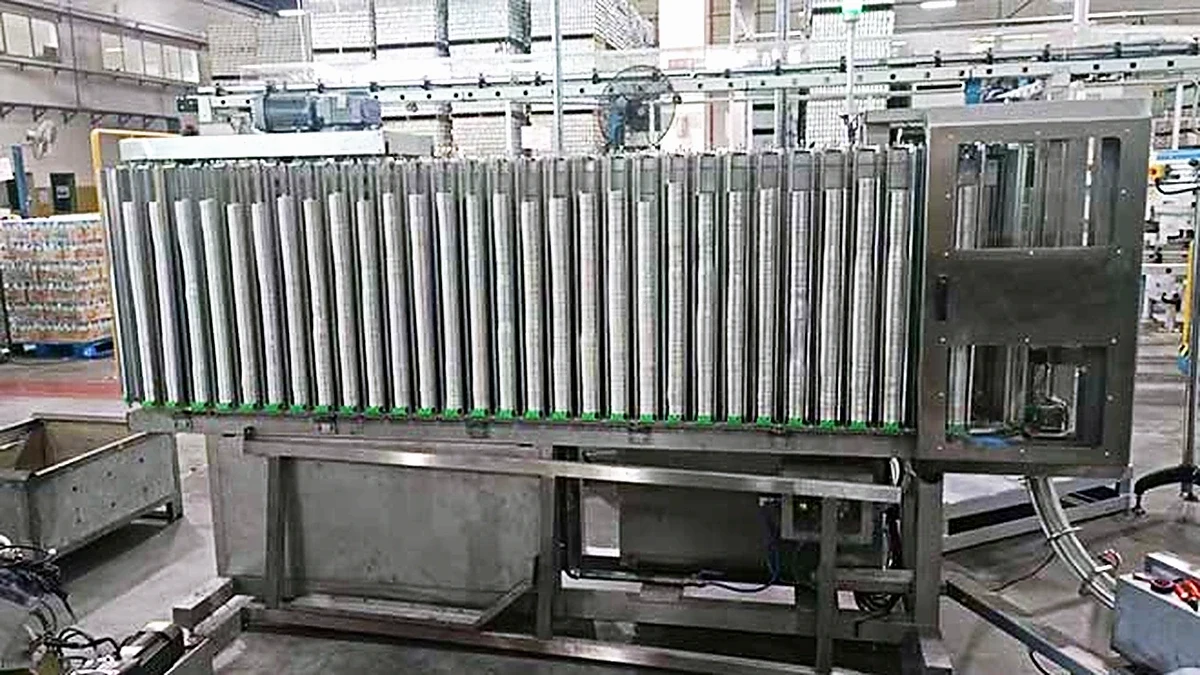
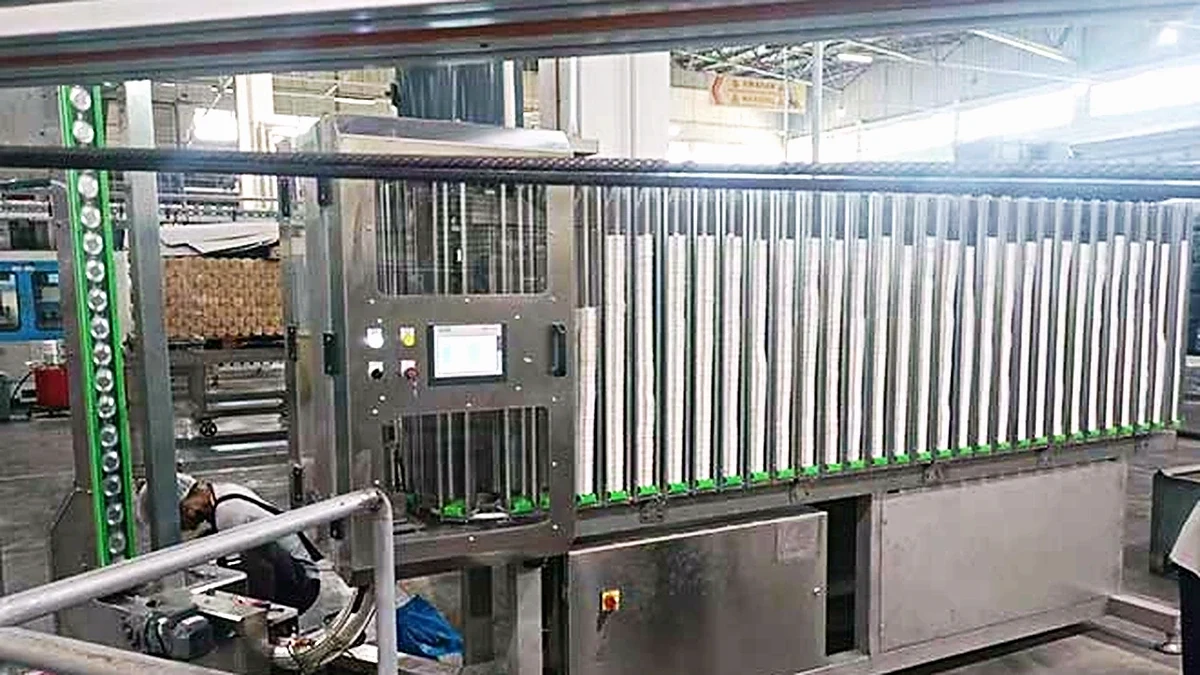
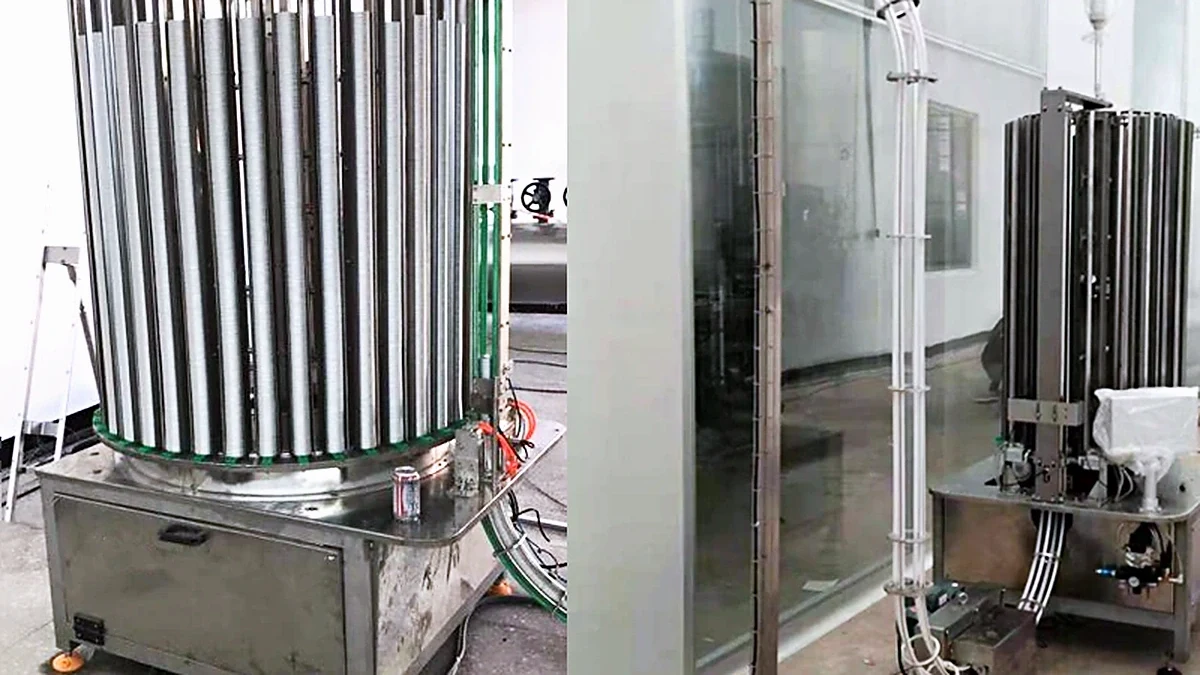
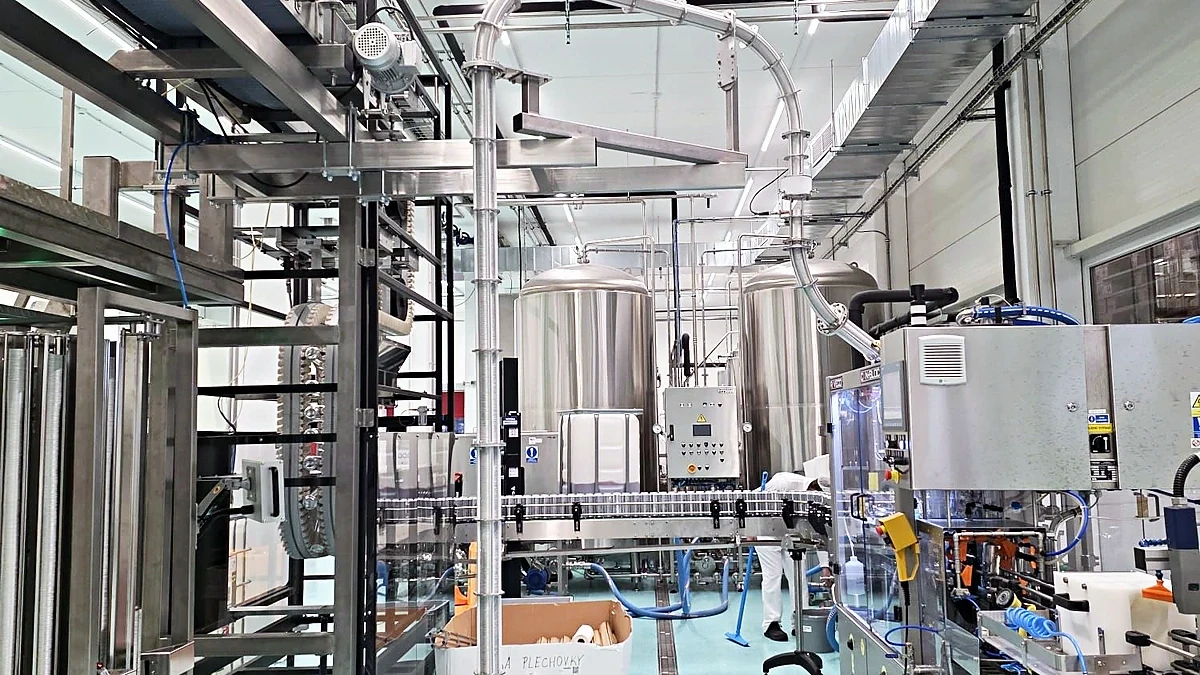
The UNITFINE can lid feeder series transfers can ends from the loading area to the lid infeed of a canning line. The series is suitable for round and square lids; select the corresponding model for the lid shape. Select the feeding arrangement around the actual lid drawing, replenishment method and seamer connection. The range includes fully automatic, semi-automatic, magnetic, round-layout, linear and spray-treatment configurations; the suitable combination depends on the project.
For a filling and seaming line, the important output is an available supply of correctly presented ends at the agreed connection point. The feeder handles the lids, while the filler handles the product and the seamer closes the cans. Define those equipment boundaries before selecting a layout, rather than treating the feeder as a complete filling or sealing machine.
Can lid feeder selection starts with the lid specification
Send the end supplier’s drawing and representative samples for every lid format. Include the lid designation, measured outside diameter or overall dimensions, profile height, curl geometry, material, coating and required delivery orientation. State whether the end is round or shaped and whether it includes an opening tab. These details are selection inputs, not a claim that every version handles every end.
The fully automatic, semi-automatic, round-type, spray-treatment and linear versions are listed for 200–305 can end sizes for round lids. For square lids, provide the lid length, width and material so UNITFINE can configure the corresponding model to your specifications.
Magnetic conveying requires a magnetically responsive lid material. Do not assume that an aluminium end can use the same magnetic arrangement as a steel end. For shaped lids, provide the complete outline and orientation requirement; a round-lid diameter does not describe a square or other shaped format. Compatibility must be checked for the proposed equipment, including transitions into the seamer.
Feeding arrangements and published model references
The model names below identify the versions listed for this product. They are not interchangeable speed ratings, and the characters in a model name should not be converted into a guaranteed output. Choose the loading method and route first, then confirm the proposed model, lid-specific tooling, usable storage and delivery capacity in the quotation.
Fully automatic loading
The fully automatic versions use forklift replenishment of a complete load of lids. The published description includes automatic start/stop synchronization with the filling machine and reverse-lid detection with an alarm and automatic rejection. Confirm that these functions are included in the offered configuration and agree the signal sequence with the line supplier. Automatic operation still requires replenishment, inspection and a defined response to faults.

Semi-automatic loading
A semi-automatic proposal should state which loading and replenishment tasks remain with the operator and which transfer functions are automatic. Provide the delivered packaging format of the ends, how they are unwrapped and the preferred loading position. Do not assume automatic bag removal or pallet handling is included simply because lids are conveyed automatically after loading.

Magnetic conveying for round steel lids
The round-lid magnetic version is listed for individual lid conveyance. Review the material response, lid profile and discharge orientation with the supplier before adoption. Where a magnetic section is proposed, define where the lid enters, how it is supported and how it transfers to the next guide or infeed. Confirm the arrangement with the actual lid samples.

Magnetic Can Lid Feeder: (Horse Mouth Iron – Square Lid) Single-piece Conveyance
The Magnetic Can Lid Feeder: (Horse Mouth Iron – Square Lid) Single-piece Conveyance is a separate model type within the series. Provide the square lid length, width, material and required orientation; UNITFINE will configure the corresponding model to your specifications. No square-lid size range is specified.

Round-layout feeding
Review the round-layout option against the available floor plan and the operator’s loading access. Provide the seamer position, route direction, obstructions and service space. A round arrangement should be selected from a checked layout, rather than described as universally compact. Confirm access for replenishment and cleaning as well as the final delivery connection.

Spray-treatment version
The spray-treatment version is offered as a separate configuration. Specify the treatment objective, permitted lid temperature, spray medium, exposure conditions, drainage and any drying requirement. Heating or spraying alone does not establish a microbiological result. Agree the validation method and acceptance criteria for your process, and confirm the treatment equipment and utilities included in the supply.

Linear feeding
The linear version should be assessed where the proposed supply route suits a linear arrangement. Provide route length, changes in elevation and the connection height rather than assuming the feeder can bridge any distance. Agree the lid support and guide arrangement at the outlet, and identify responsibility for any intermediate transfer equipment in the layout.

| Published version | Published model designation(s) | Selection check |
|---|---|---|
| Fully automatic | U-Z-A1 / U-Z-A2 / U-Z-A3 | Forklift replenishment, line signals and outlet duty |
| Semi-automatic | UF-B120-A1 / UF-B80-A1 / UF-B50-A1 / UF-B100-A1 / UF-B60-A1 / UF-B40-A1 | Operator tasks, loading format and replenishment access |
| Magnetic, round lids | UF-B120-A1 / UF-B60-A1 / UF-B80-A1 / UF-B100-A1 / UF-B50-A1 / UF-B40-A1 | Magnetic material response and lid profile |
| Magnetic, square-lid arrangement | UF-B120-A1 / UF-B60-A1 / UF-B80-A1 / UF-B100-A1 / UF-B50-A1 / UF-B40-A1 | Exact shaped-lid compatibility requires confirmation |
| Round type | UF-B60-A1 / UF-B40-A1 / UF-B20-A1 | Floor plan, loading access and discharge position |
| Spray treatment | UF-S-Z-A1 | Treatment conditions, validation and utilities |
| Linear type | UF-Z-A1 | Route and downstream transfer geometry |
Connecting to the filling and seaming line
Define the mechanical handover at the seamer’s lid infeed, including height, direction, lid orientation, guide profile and available mounting space. Supply photos or video of the existing infeed and a dimensioned layout. The proposal should show where the new feeder ends and the existing equipment begins, with responsibility for adapters, supports and any modifications stated explicitly.
For control integration, request an agreed sequence covering lid demand, feeder available, downstream ready, stop conditions, low lid supply, reverse-lid alarm and restart after a fault. These are items to review with the line controls supplier, not a statement that every model includes the same sensors or communication interface. Confirm electrical supply, control voltage and any air or treatment utilities before the design is finalized.
State the present and intended future line demand in lids per minute or lids per hour, identifying the units. Also state whether the feeder supplies a single destination or multiple destinations, how demand changes during operation and the required buffer arrangement. Final feeding speed must be agreed for the actual lid and route; a family-level capacity statement does not establish the output of a particular model.

How lid feeding differs from other conveying equipment
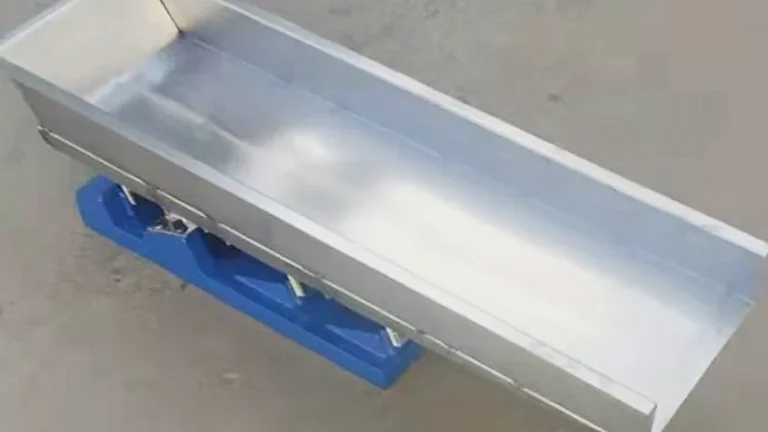
This machine handles discrete can ends whose shape and orientation must suit a seamer interface. A GZV electromagnetic vibratory pan feeder addresses bulk-material feeding, so its selection basis should not be substituted for lid handling. Explore the conveying system range for other transfer tasks, and specify the lid feeder separately when the application is can-end supply.
A lid conveyor is also different from a complete seaming machine or a dedicated lid-treatment process. Conveyance, orientation checks, treatment and seam formation have separate acceptance criteria. Agree which functions are included in the selected feeder and which remain with existing line equipment. This makes the quotation easier to compare and prevents assumptions about automatic unwrapping, universal compatibility or sterilization performance.
Information to provide when requesting a quote
To request a quote, send UNITFINE the following information so the loading arrangement, delivery duty and line interfaces can be reviewed together:
- Lids: lid shape (round or square), can end size designation or actual dimensions, material (tinplate or aluminium), drawings, coatings, opening-tab details, all required formats and representative samples. For square lids, include the lid length and width.
- Supply format: stacks or other delivered packaging, wrapping, replenishment method, loading access and operator tasks you want to automate.
- Required duty: required lid feeding speed in lids per minute or lids per hour, current and future demand, operating pattern, destinations and expected buffer or replenishment needs.
- Downstream equipment: the type, make and model of the seamer to be connected, filler details, lid-infeed drawings, photos or video, connection height, direction and orientation.
- Site layout: dimensioned floor plan, proposed route, elevation changes, available installation space and access for operation and maintenance.
- Utilities and controls: voltage, frequency, phase, available utilities, line signal requirements and the responsible controls contact.
- Cleaning and treatment: cleaning method, washdown conditions, any spray-treatment objective, drainage and process acceptance requirements.
- Supply boundary: required change parts, adapters, supports, guarding, installation responsibilities and agreed acceptance checks.
Contact UNITFINE with your lid drawings and line layout. Ask for a configuration-specific proposal that identifies the model, supported lid formats, confirmed duty and connection scope.
Frequently asked questions about can lid feeders
What lid specifications are needed to select a can lid feeder?
Provide the end drawing, designation, actual dimensions, profile, material, coating and required delivery orientation for every format. The published size label is not a substitute for a drawing or a compatibility check with representative lid samples.
What is the difference between fully automatic and semi-automatic feeding?
The fully automatic description includes forklift replenishment of a complete load of lids and synchronized operation. A semi-automatic proposal must identify the remaining operator tasks and the automatic transfer functions. Confirm wrapping removal and loading responsibilities instead of assuming they are included.
Can the feeder connect to an existing filling and seaming line?
Connection must be reviewed against the seamer lid infeed, delivery height and direction, guide geometry, layout and controls. Provide equipment details and interface drawings so adapters, signals and supply responsibilities can be agreed.
How is the required feeding speed confirmed?
State current and future demand with units, the operating pattern, destinations, replenishment method and buffer needs. Confirm the proposed output for the actual lid format and conveying route in the quotation and acceptance checks. Model names alone do not establish speed.
Can magnetic conveying handle every lid material and shape?
No. The proposed magnetic arrangement requires a magnetically responsive material and suitable lid geometry. Round and shaped lids need their own compatibility checks. Do not assume an aluminium end or a square lid can use tooling selected for a round steel lid.
Does every feeder include validated lid sterilization?
No. Spray treatment is a separate configuration. Define the medium, exposure conditions, permitted lid temperature, drainage and validation requirements. A heating or spray feature alone does not establish a microbiological result.
Existing model illustrations