

UNITFINE · GTS30 SCREEN CLEANING SYSTEM
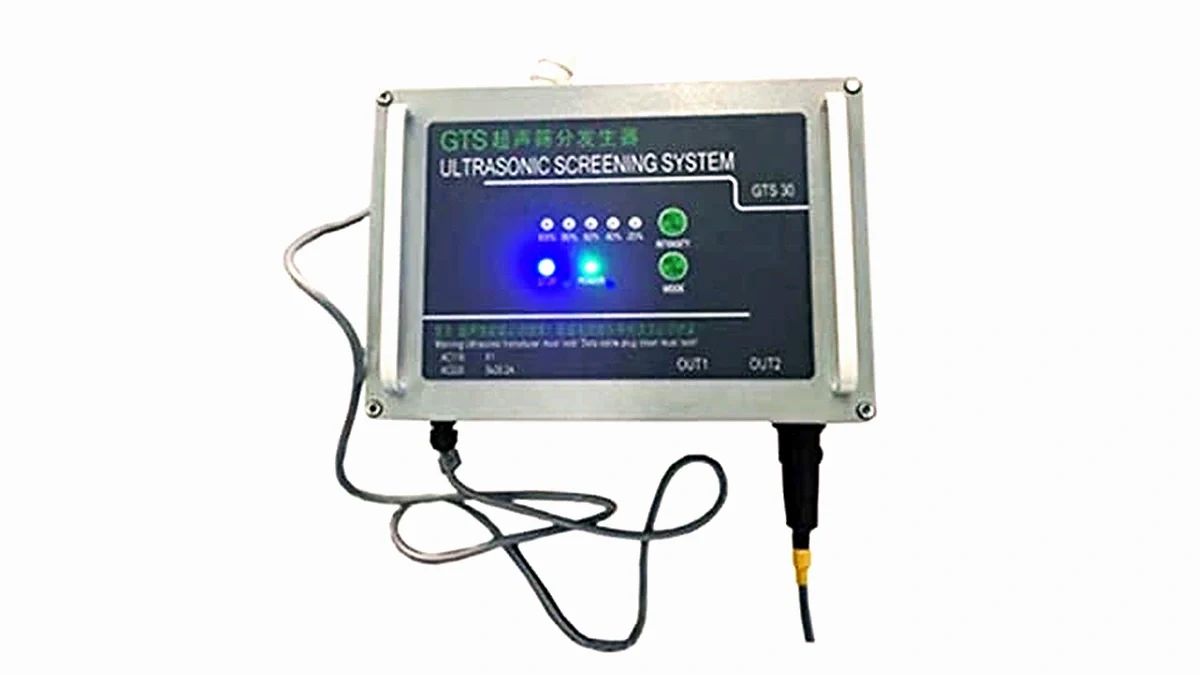
The GTS30 ultrasonic deblinding system is an add-on assembly for compatible vibrating sieves. It helps reduce mesh blinding; it is not a complete vibrating sieve.
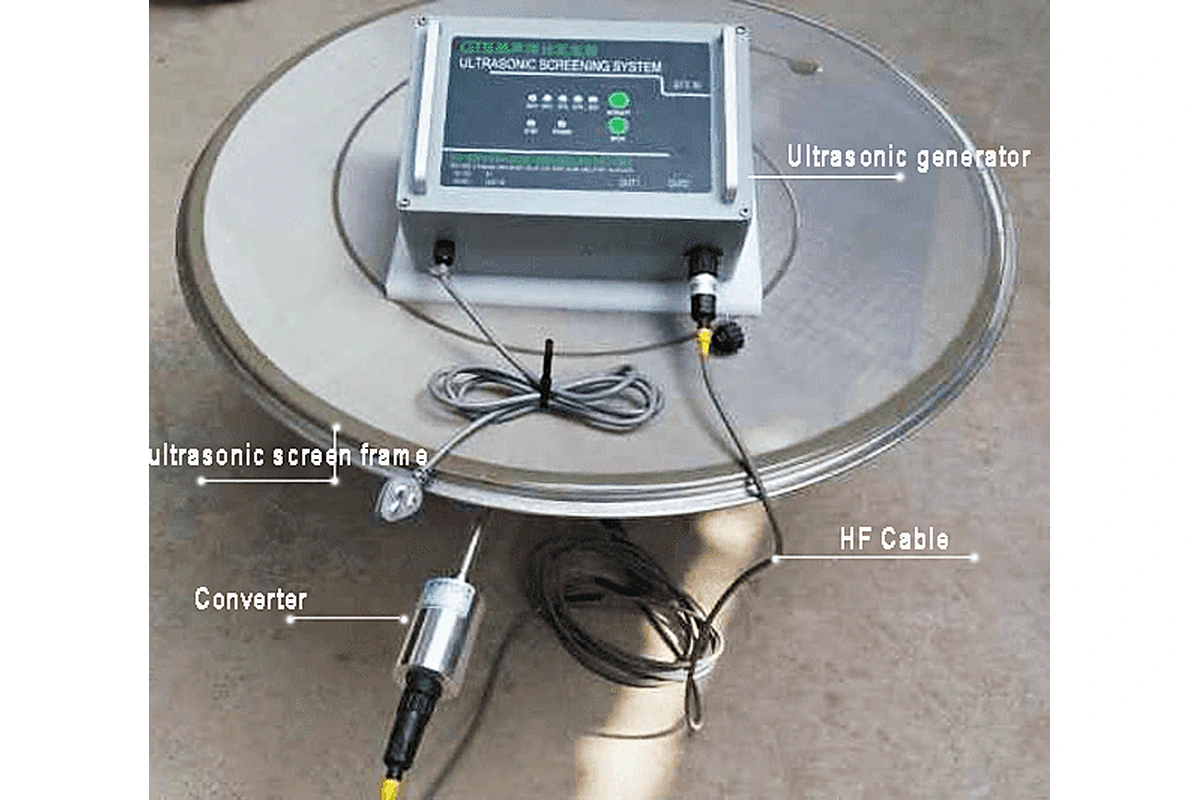
The UNITFINE GTS30 ultrasonic deblinding system transfers ultrasonic vibration to a matched screen assembly through a generator, cable, converter (ultrasonic transducer) and frame. The right configuration depends on the host sieve, screen mesh, material and installation conditions.
How the GTS30 ultrasonic deblinding system works
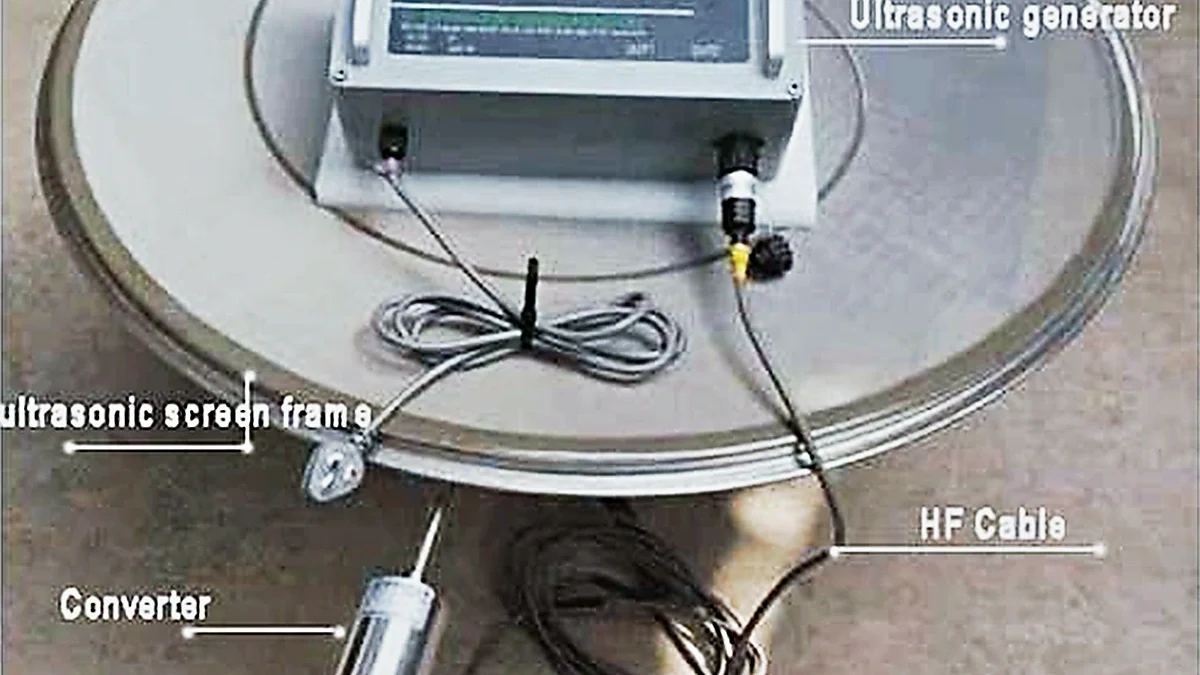
The generator supplies the ultrasonic signal through the high-frequency cable to the converter (ultrasonic transducer). The converter transfers vibration through the screen frame and resonance ring to the mesh. This is intended to help keep mesh openings clearer while the host sieve performs the separation. The result depends on the material, screen assembly and operating conditions; the system is not a universal cure for every blockage.
Supplies the ultrasonic signal.
Connects the generator and converter.
Transfers the signal into vibration.
Carry vibration to the matched screen assembly.
GTS30 system components and listed specifications
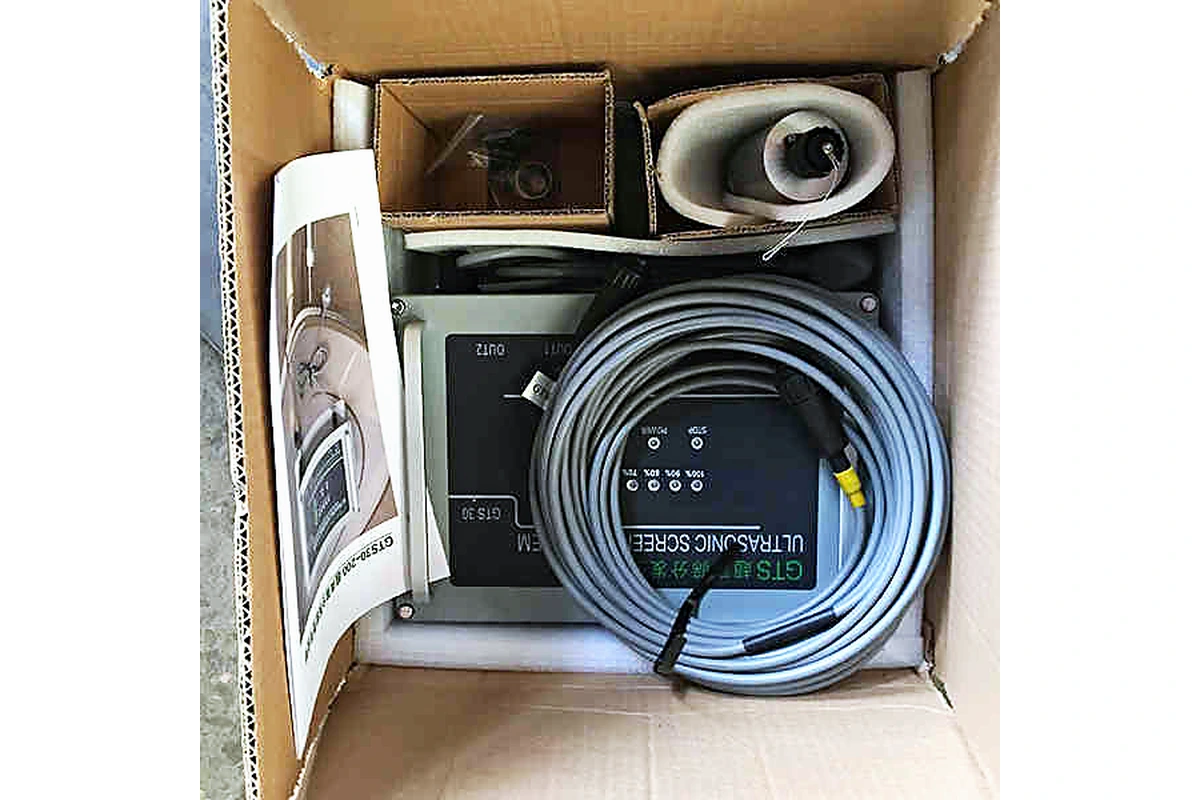
The GTS30 kit includes an ultrasonic generator, high-frequency cable, a converter (ultrasonic transducer), an ultrasonic screen frame and screen mesh. The generator operates at 30 kHz, and the screen mesh range is 100–635 mesh. Check the screen dimensions and mounting for your sieve before ordering.
| Item | Information shown on the product page | Selection check |
|---|---|---|
| Generator | 30 kHz | Check electrical supply compatibility. |
| Screen mesh | 100–635 mesh | Select the mesh for the target separation and screen frame. |
| Matched assembly | Generator, HF cable, converter, screen frame and mesh | Check compatibility with the host sieve. |
Check compatibility before retrofitting an existing sieve
A GTS30 kit does not replace the vibrating sieve body, drive, deck or outlets. For a retrofit, UNITFINE needs to check the host machine and the complete ultrasonic assembly together. A matching plug or a similar-looking screen frame alone does not establish compatibility.
Before requesting a retrofit, collect:
- Host sieve make and model, screen diameter and deck arrangement.
- Mesh specification, screen-frame details and clear photographs.
- Existing generator, converter/transducer, cable and connector details.
- Available mounting space, electrical supply and material condition.
- Required screening duty and the blockage issue you are trying to address.
If the current screen is damaged, tensioned differently or fitted with another ultrasonic system, include those details in the review.
For a GTS30 retrofit, include a drawing or labelled photographs of the existing deck. Mark the available height above and below the screen frame, the cable route and the clearance needed to remove the frame for cleaning. Share the existing generator and converter nameplates when available. These details help UNITFINE review the mounting arrangement, electrical interfaces and maintenance access for your sieve.
When ultrasonic deblinding may help
Ultrasonic deblinding is considered when fine-mesh blinding limits screening on a compatible vibrating sieve. The source page identifies pharmaceutical, metallurgical, chemical, mineral-processing and food-processing duties. Application suitability still depends on the material and process. Moisture, cohesion, static effects, particle shape, feed condition, mesh selection and the host sieve can all affect the outcome. A sample test or engineering review is the appropriate way to assess a specific material.
GTS30 compared with related UNITFINE equipment
| Equipment | Main role | When to review it |
|---|---|---|
| GTS30 ultrasonic deblinding system (this product) | Screen-cleaning assembly for a compatible host sieve. | An existing sieve needs a matched ultrasonic screen assembly. |
| Ultrasonic vibrating sieve | Complete screening machine with an ultrasonic system. | A full sieve is required rather than a retrofit component. |
| Rotary vibrating sieve | Conventional screening machine for grading or separation. | The main need is a vibrating separator, with cleaning method selected for the duty. |
| Rotary brush system | Different screen-cleaning mechanism for compatible multi-screen separators. | Compare only after checking screen layout and machine compatibility. |
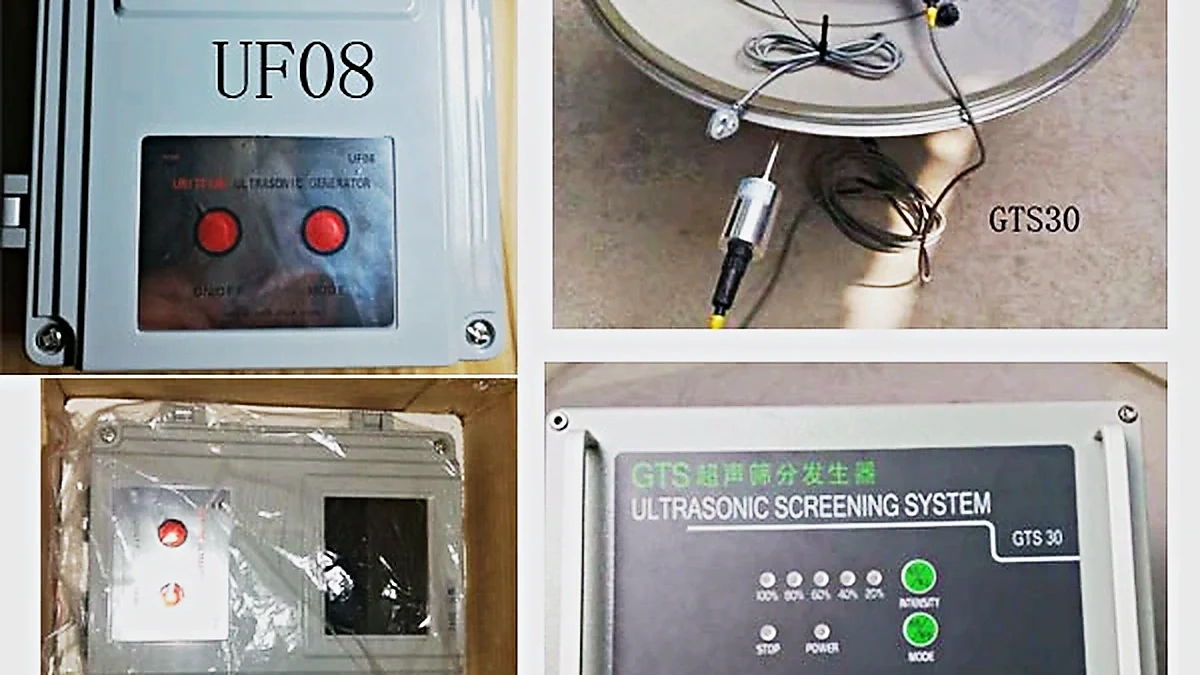
| UF08 ultrasonic generator | Generator-only product. | Confirm matched frequency, transducer and screen assembly; the product name alone does not establish interchangeability. |
For broader causes and troubleshooting of blocked mesh, read How to Prevent Mesh Blinding in Vibrating Sieves. This product page stays focused on GTS30 scope and retrofit fit.
Factory testing and shipment
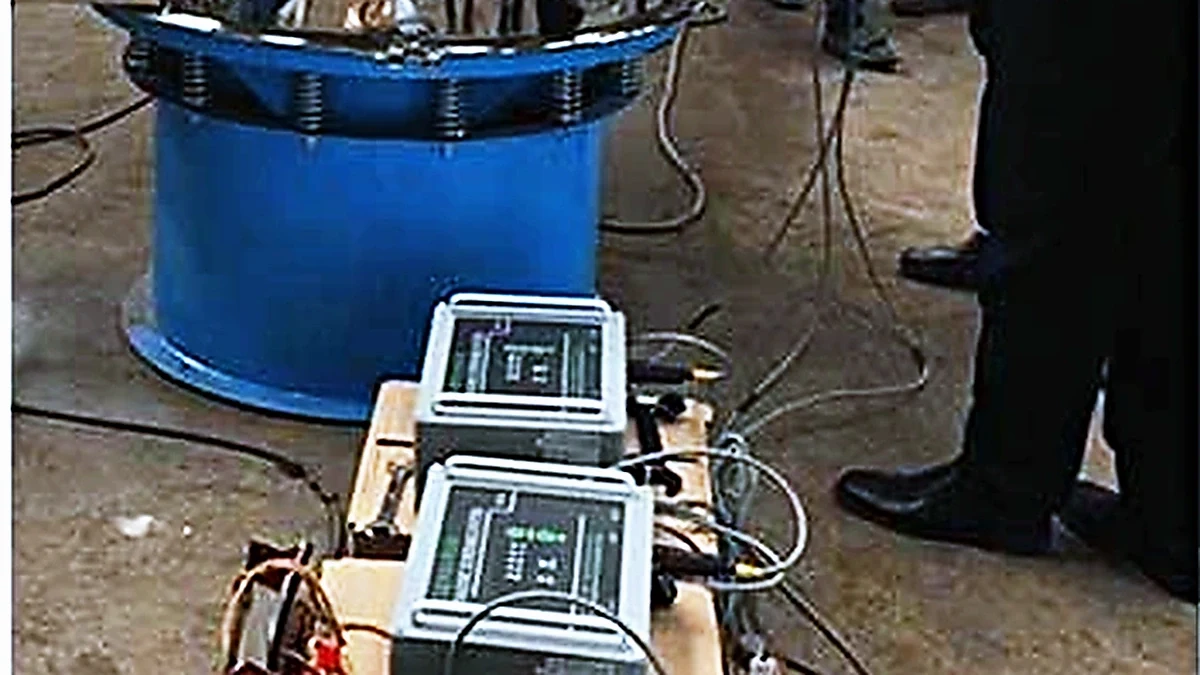
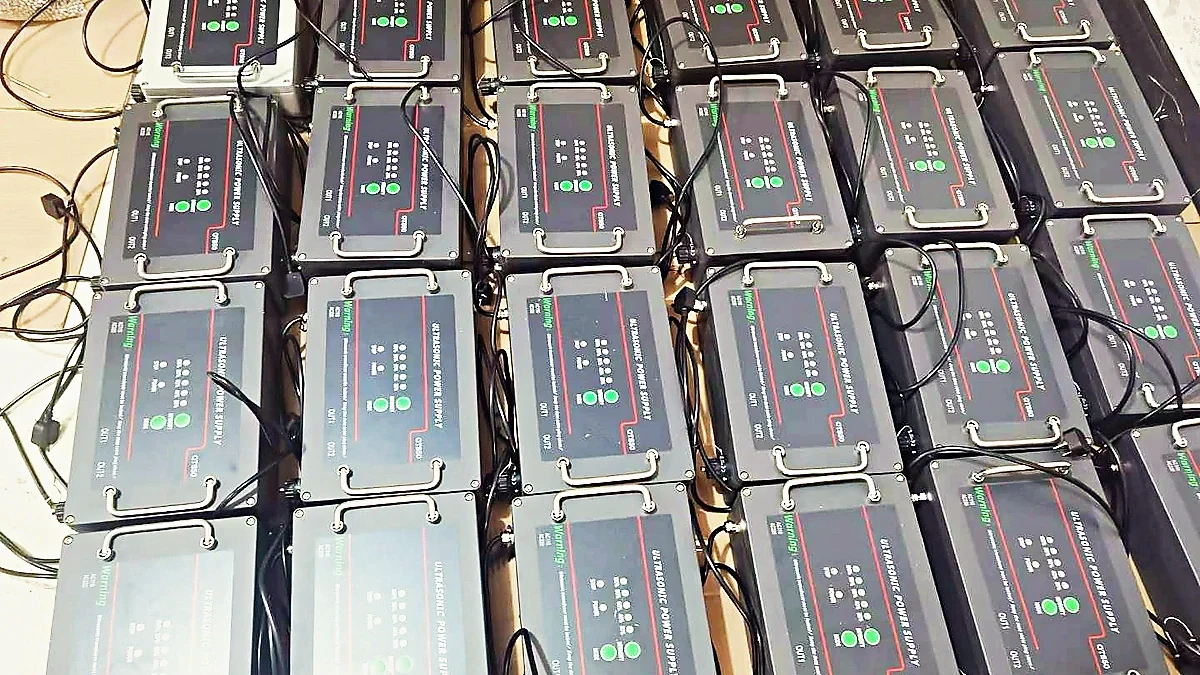
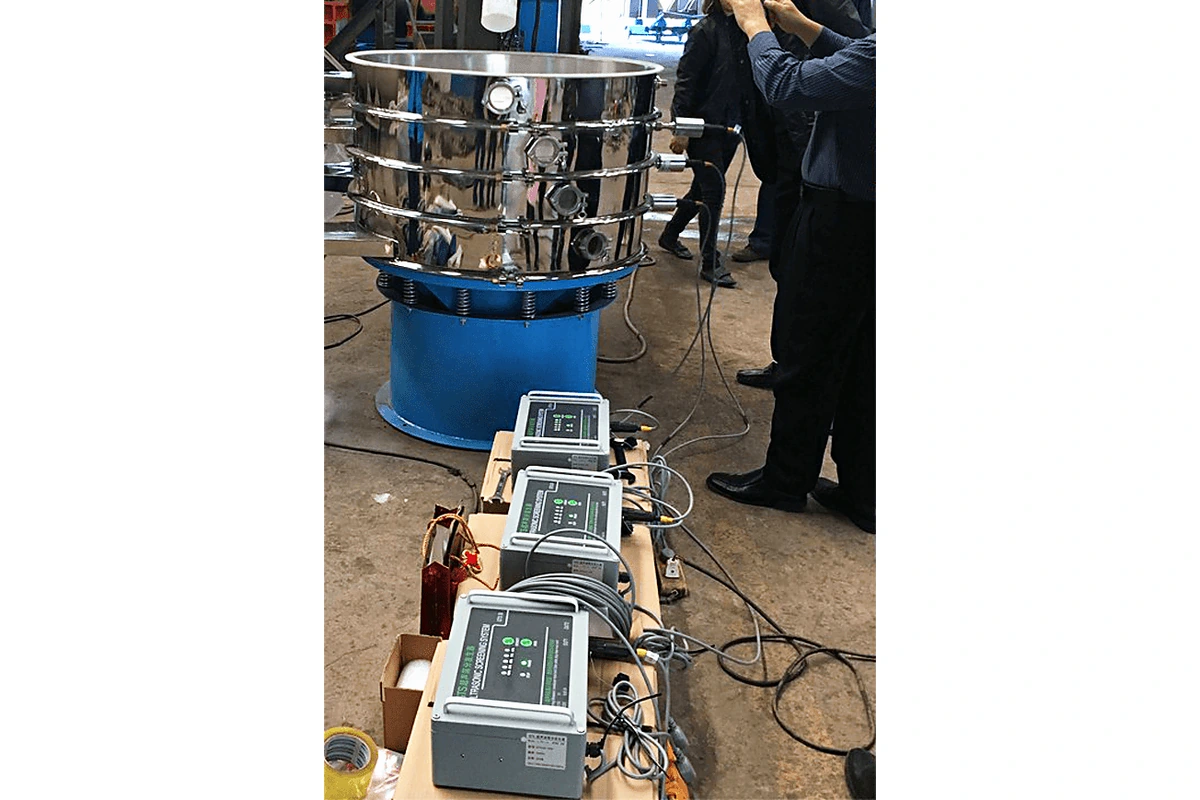
The product page includes factory-testing and generator-packing photographs. Confirm the test scope, packing details and supplied documents for the quoted order; photographs do not establish a particular acceptance protocol or certification.
Information to send for a GTS30 quotation
Provide the following so the system and retrofit requirements can be reviewed:
If you can supply a material sample, agree on the test conditions for the GTS30 assembly before the trial. Record the actual screen mesh, feed rate, run time and the point at which blinding becomes visible. Share the target screening capacity and any required oversize or fines limits. These are trial inputs and acceptance criteria for the specific material and sieve. Record the observed results separately.
- Material: name and relevant properties, including moisture, cohesion, static tendency and abrasiveness.
- Screening target: mesh specification, target separation and required screening duty.
- Current sieve: make, model, screen diameter, deck arrangement and clear photos of the screen assembly.
- Existing ultrasonic parts: generator, converter/transducer, cable and connector information, if fitted.
- Installation: available space, mounting details and electrical supply.
- Scope: replacement screen assembly or retrofit, plus cleaning, contamination-control or hazardous-area requirements.
Send the material and sieve details to contact UNITFINE for a configuration review. Confirm the proposed mesh, generator, converter/transducer, electrical requirements and test acceptance criteria before purchase.
Frequently asked questions about the GTS30
Is GTS30 a complete vibrating sieve?
No. GTS30 is an ultrasonic deblinding system intended for a compatible vibrating sieve. The host sieve body and its separation function are separate equipment.
What does the GTS30 kit include?
The GTS30 kit includes a 30 kHz ultrasonic generator, high-frequency cable, a converter (ultrasonic transducer), an ultrasonic screen frame and screen mesh. The screen mesh range is 100–635 mesh.
Will GTS30 fit my existing vibrating sieve?
Compatibility must be checked against the sieve model, screen dimensions, mesh assembly, mounting arrangement, electrical supply and existing ultrasonic components. Send photographs and equipment details for review before ordering.
Does ultrasonic deblinding prevent every type of mesh blockage?
No. It may help with suitable fine-mesh screening duties, but performance depends on the material, mesh, feed condition and host sieve. It is not a guaranteed solution for all materials or blockage mechanisms.
What should I provide for a GTS30 quotation?
Provide material properties, target mesh and separation, required screening duty, host sieve details, screen photographs, installation space and electrical supply. These details help determine whether the assembly can be matched to the application.