Fine-powder vibrating-screen selection checklist
| Buyer input | Why it matters | What to send to Unitfine |
|---|---|---|
| Material and bulk density | Influences feed volume and screen loading | Material name, bulk density, and representative sample if available |
| Incoming and target particle size | Defines the separation objective | Size distribution, target cut point, mesh standard, and acceptable fraction |
| Capacity and duty | Determines real operating demand | Average and peak feed rate, batch/continuous duty, and operating hours |
| Moisture and stickiness | Affects blinding and flow | Moisture condition, storage history, and observed agglomeration |
| Static or low-density behavior | May affect passage through the mesh | Material behavior notes and any current screening problem |
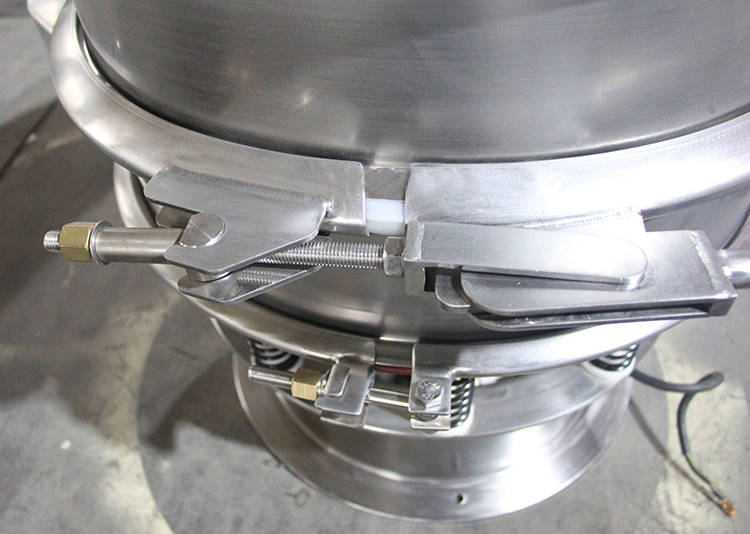
| Hygiene and contact requirements | Defines construction and cleaning needs | Contact-material, finish, seal, cleaning, and changeover requirements |
| Containment and safety | Shapes the system boundary | Dust-control needs, area classification, and local safety requirements |
| Site constraints | Affects installation and service access | Available power, layout, elevation, lifting, and maintenance access |
Request a selection review before committing
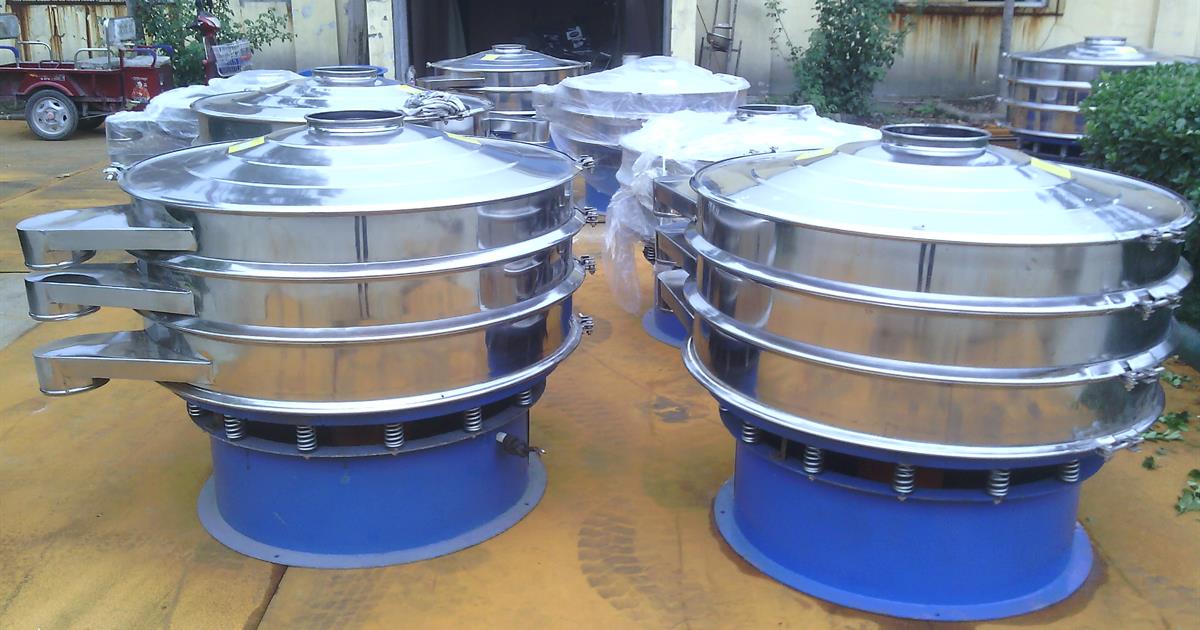
The fastest route to a useful recommendation is a complete process description, not a short request for “a fine powder screen.” Send Unitfine the material name, bulk density, incoming and target particle-size data, selected mesh standard, target capacity and operating duty, moisture or special behavior, hygiene and containment requirements, local power supply, and installation constraints. If the powder is difficult to screen, include a representative sample and the current process problem.
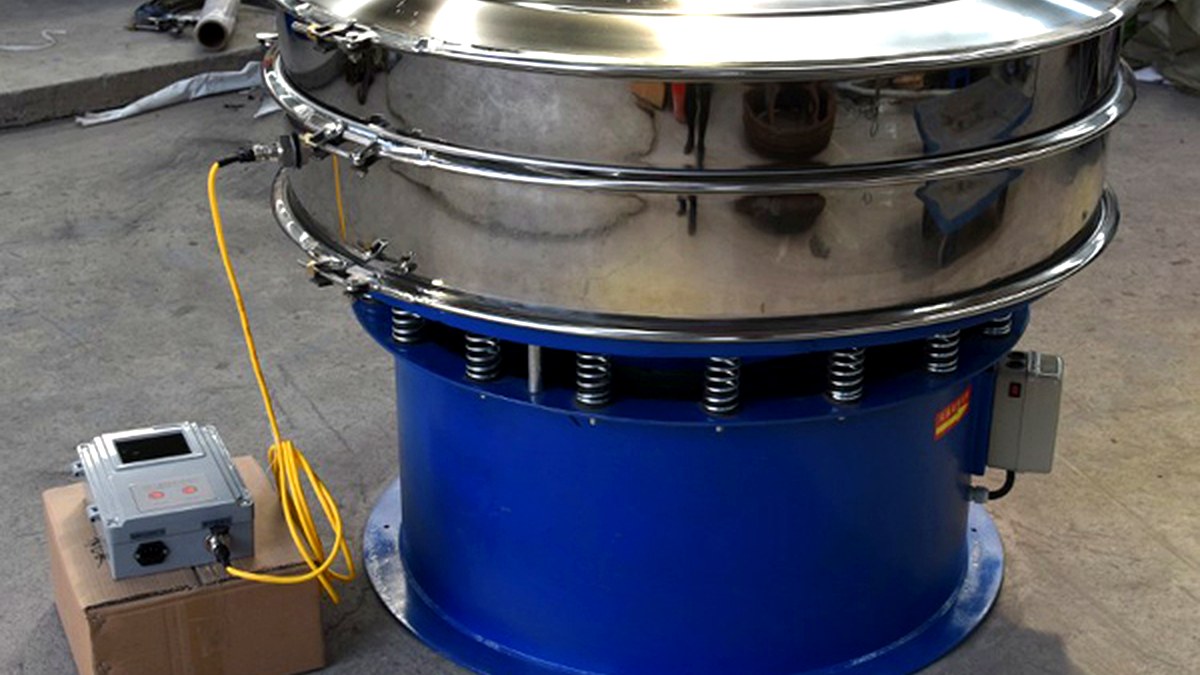
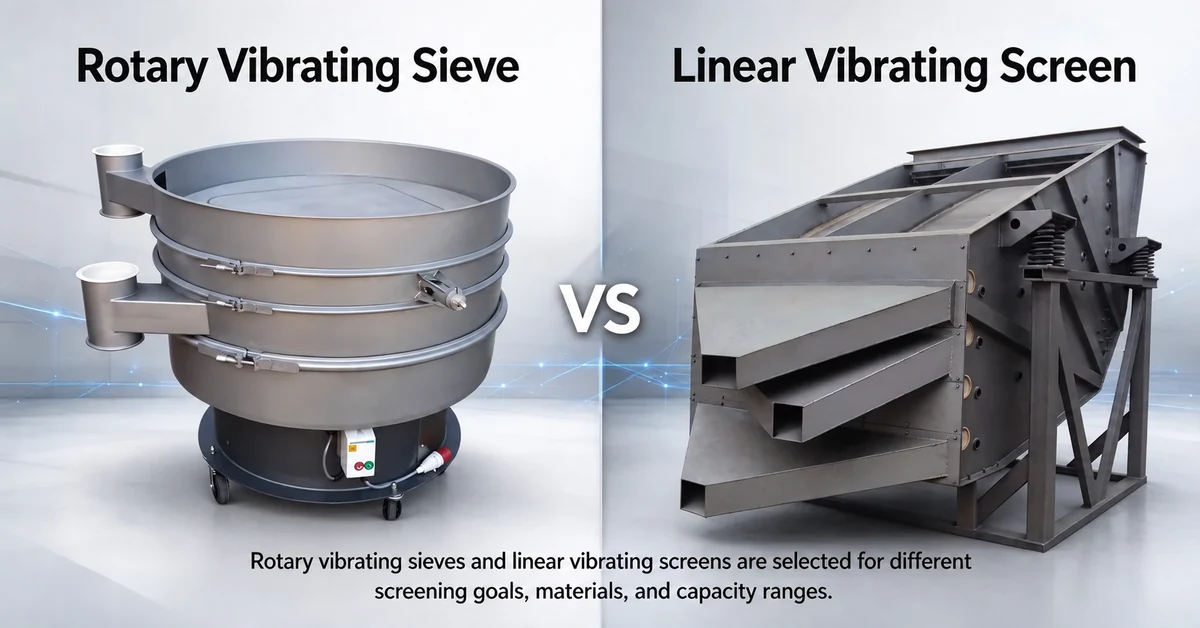
Unitfine engineering can then assess the appropriate rotary vibrating sieve configuration and advise whether a material trial is needed. A trial is especially valuable when the material is sticky, electrostatic, abrasive, hazardous, highly variable, or close to the required separation size. It turns selection from an assumption into a documented decision.