- homeCompany

- homeCompanysolutionFAQs
Why Graphite Powder Screening Approaching to Use Finosonic
What this graphite screening report shows
This page presents one customer’s report about using FINOSONIC ultrasonic screening with graphite powder. The customer described less mesh blinding and fewer repeat screening passes under their own operating conditions. The quoted changes in screening time and screen life are case-specific observations, rather than independently verified test results or performance guarantees. For a new graphite application, confirm the target particle size, mesh, moisture, bulk density, throughput and acceptable off-size fraction, then use material testing to check whether the proposed configuration meets those requirements.
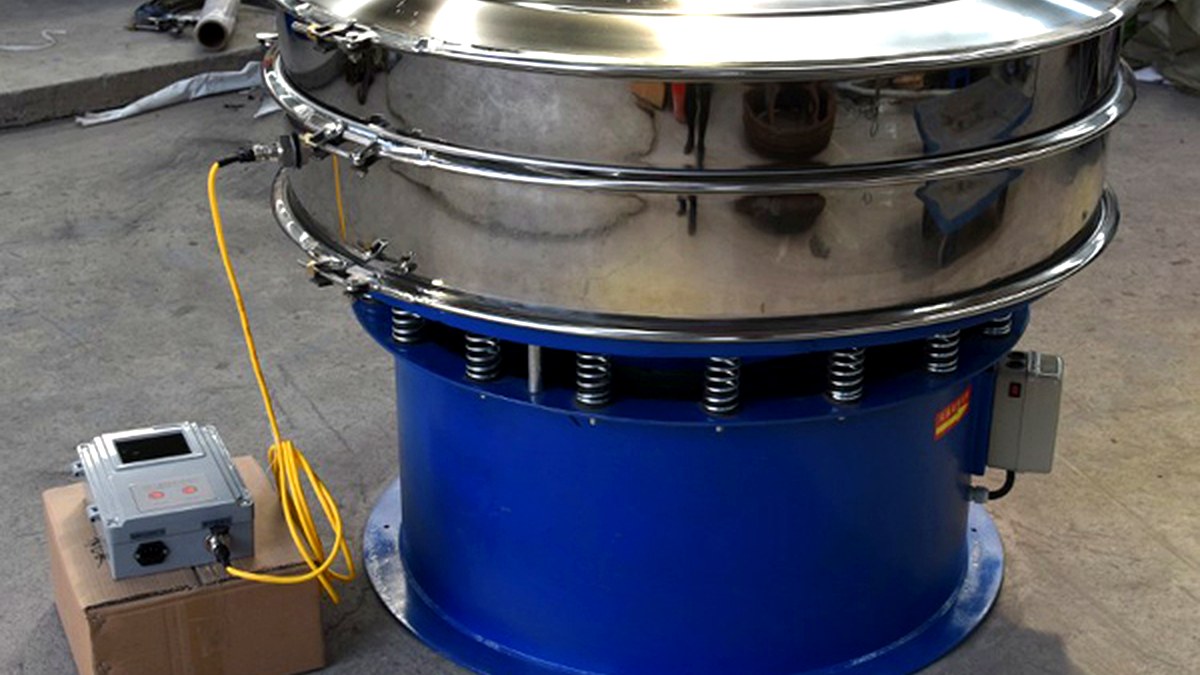
Months ago, we paid a callback to one of our customers who is handling graphite powders for feedback, below is a testimonial from him, which would tell you the reason why more graphite powder screening now approaching to FINOSONIC:As for data on the mesh with Finosonic.
I do not have specific data.
But I can tell you that on all 3 screen sizes you mention, we no longer have to screen the material twice.
The ultrasonic stop the screen from blinding and thus the material is screened properly after one pass.
We do have tolerances for the amount of wrong size particles that can be included in a screen cut, and the ultrasonic help achieve those tolerances. Generally its less than 5% of undersize materials allowed for our mixes.
Our screen time has been reduced by an average of 60% as we often had to run materials 3 or 4 times to achieve the proper percent of desired particles.
Another benefit has been the longevity of the screens.
Before Finosonic, our screens were being replaced at least 3 times per year, no matter which screen size we reference.
Since installing Finosonic, only one screen has broken in the past year and that’s because the frame rod that attaches to the transducer cracked and broke. The screen is still intact.
FAQ: Graphite Powder Screening with Finosonic
Why is graphite powder difficult to screen?
Graphite powder can be fine, light, and prone to mesh blocking or poor flow depending on particle size, moisture, and surface characteristics. These factors can reduce screening efficiency on a standard screen.
How can ultrasonic screening help graphite powder?
Ultrasonic screening helps keep the mesh active and can reduce blinding when screening fine graphite powder. It supports more stable separation, especially when the powder tends to block the mesh openings.
What should be confirmed before selecting a graphite powder screening solution?
Confirm the target mesh size, required capacity, powder moisture, bulk density, dust-control requirements, and whether test screening is needed to verify performance before final equipment selection.
InquiryRecommended products for You